

Fear works, until it doesn’t
Real transformation starts when urgency meets meaning
The burning platform, sink or swim
Imagine standing on a bridge at night, twenty metres above the water. An angry pit bull is charging at you, teeth bared. Do you jump, or face it down?
The “burning platform” is a classic change metaphor: create urgency, make the danger clear, and people will leap.
This post began with a simple discussion: does fear ever have a rightful place in change and transformation? It’s not a new debate, many influential experts say no, fear always backfires. We think it has value, if its limitations are kept in mind.
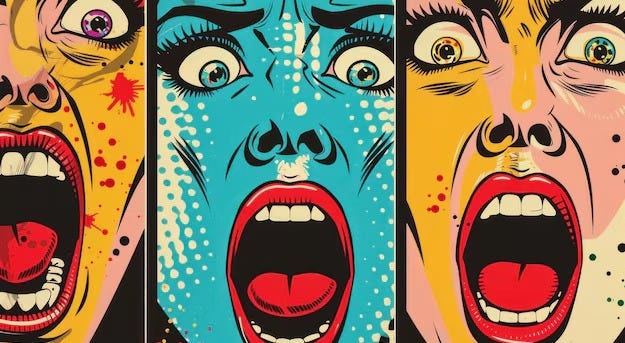
Sometimes, fear is exactly what’s needed to spark a revolution.
When Tufan Erginbilgiç took over Rolls-Royce in 2023, he described the company as “a burning platform”. This startled investors and staff alike. Here was a CEO telling one of Britain’s proudest engineering firms it was in real trouble – bloated, slow, losing its edge; even arrogant. But the message landed because it was true. Rolls-Royce was in danger. The fear had a foundation.
But the real story is what happened next.
Erginbilgiç didn’t just light a fire and walk away. Rolls-Royce reorganised, simplified, and emphasised management accountability. He told people not just what to fear, but what to fight for: excellence, pride, survival, future relevance. And the engineering supertanker began to turn in the right direction. This is what we mean by ‘urgency meets meaning’. At its heart was a cultural change.
Yes, we know there’s debate about the value of Erginbilgiç’s contribution – perhaps he only accelerated what some senior managers were already thinking. But he made a difference.
His burning platform speech wasn’t the solution; it was the ignition.
Beware: adrenaline has power, but quickly wears out
Fear alone is a motivator that can force a decision (we must change!), but does little else. It’s the cheapest form of energy in an organisation – it can get people moving quickly, but it burns out fast.
Leaders all too often use fear – or an inflated sense of urgency – to change what we do and the way we do it, to nudge us towards the umpteenth restructuring. It’s sink or swim. Feel familiar? Most of us have heard it all before.
If people are only jumping because you told them the ship is going down, they’ll swim until the panic fades – then stop and tread water. And you can’t keep crying wolf.
Light a different fire, and follow up
For most of us, most of the time, change can’t and shouldn’t be fuelled by fear. What people want is a spark that will ultimately lead to culture change.
We should treat fear as just one type of ignition energy – useful only when there’s a genuine crisis – the real art of leadership lies in knowing what else can spark a transformation, and how to quickly follow up with relevant cultural change.
When the platform isn’t truly burning, leaders need to light a different fire – one of curiosity, purpose, or pride. Once people are awake, you must give them something worth waking up for. Otherwise, they’ll find another place to sleep.
We’ll expand on other ways to spark change in a future Substack post.
Back to the bridge
If you’re standing on that bridge, dogs closing in, darkness below – the best leader isn’t the one shouting “jump” – it’s the one who jumps first, proves the water’s survivable, and reminds everyone why it matters.
Only belief will help people swim harder against the current.